2026 Best Globe Valves for Efficient Industrial Use?
In the realm of industrial applications, the significance of globe valves cannot be overstated. Experts recognize their essential role in controlling flow efficiently. John Steele, a renowned valve industry expert, emphasizes, "Globe valves are pivotal for precise flow regulation." Their design allows for effective throttling, making them ideal for various systems.
Despite their advantages, globe valves are not without drawbacks. Installation may require significant space, which some industries struggle to provide. In high-pressure scenarios, wear and tear can become a concern. The choice of material also affects performance and lifespan. Therefore, selecting the correct globe valve is crucial.
The year 2026 is projected to bring advancements in globe valve technology. Innovations promise to enhance efficiency and reliability further. Companies must stay informed about these trends. Understanding the dynamics of globe valves can lead to superior industrial outcomes. Balancing benefits with potential limitations is key to making informed decisions.
2026 Globe Valves: Overview of Types for Industrial Efficiency
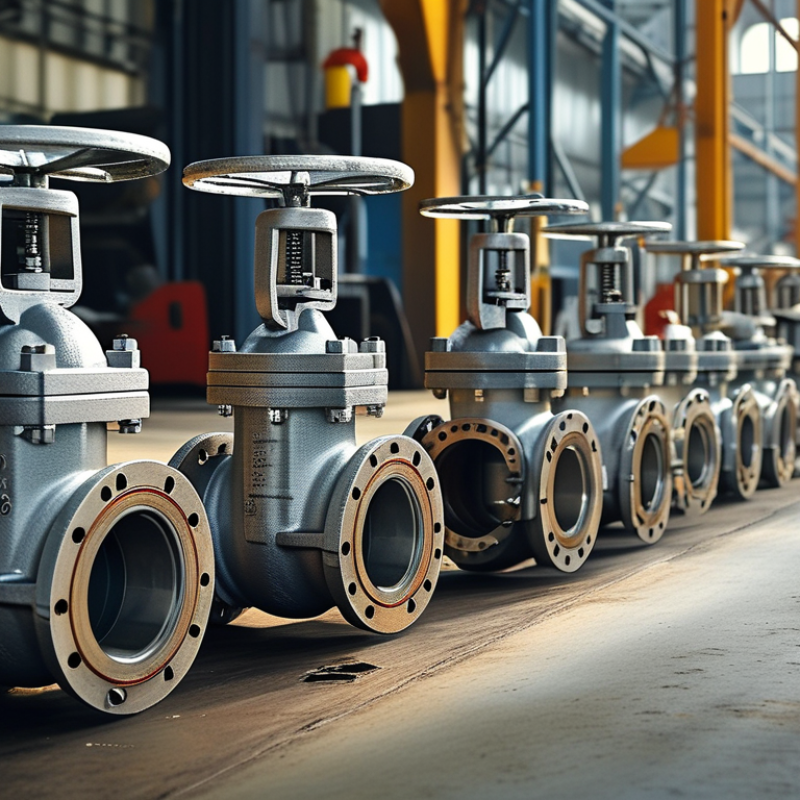
In 2026, the demand for globe valves in industrial applications continues to grow. Various types of globe valves are gaining popularity due to their unique designs and operational efficiencies. These include multi-turn and rising stem types, which are known for providing precise control over fluid flow. According to recent industry reports, the global globe valve market is projected to expand by 5.2% annually, driven by increasing automation in different sectors.
When selecting globe valves, consider factors like pressure ratings and materials. Stainless steel and brass are common due to their durability and resistance to corrosion. Some studies suggest that choosing the right material can improve a valve's lifespan by up to 30%. While most designs offer reliability, some may encounter issues with leakage if not properly maintained. This highlights the importance of regular inspections and timely replacements.
Efficient valve performance directly impacts overall system productivity. Integrating advanced designs can enhance flow rates and reduce energy consumption. Regular training for maintenance staff can also enhance reliability. Regular education ensures that any potential issues are swiftly identified and addressed, leading to significant savings in downtime and operational costs.
Key Selection Criteria for Globe Valves in Industrial Applications
When selecting globe valves for industrial applications, understanding key criteria is essential. The design of the valve influences flow control significantly. A well-constructed globe valve provides reliable flow regulation in various environments. Consider materials that withstand temperature and pressure variations. Stainless steel and brass are common choices for durability.
Pressure drop is another critical factor. Globe valves typically incur higher pressure losses compared to other valve types. This characteristic can affect system efficiency. Engineers should evaluate the specific application needs. Control requirements and operating conditions must align with the valve choice. A larger valve may seem beneficial, but it can complicate control accuracy.
Maintenance needs and service life are aspects that deserve attention. Regular inspections can prevent sudden failures. Understanding how often a valve requires maintenance can inform purchase decisions. Achieving a balance between performance and reliability is crucial. Evaluating these factors leads to informed choices that can enhance operational efficiency, albeit with ongoing considerations for potential improvements in design and materials.
Impact of Globe Valve Materials on Performance and Longevity
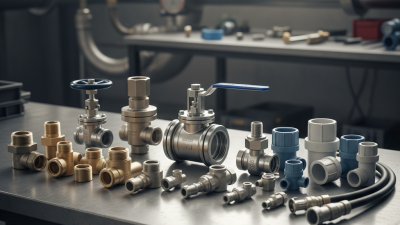
The material selection for globe valves significantly influences their performance and longevity. Common materials include stainless steel, bronze, and plastic. Stainless steel offers high corrosion resistance, making it suitable for harsh environments. However, it can be costly. Bronze is more affordable but may not perform well under extreme pressures. Plastic valves resist certain chemicals but can wear out more quickly.
Each material has its strengths and weaknesses. The application often dictates which material is best. For example, in a high-temperature setting, stainless steel may be necessary to prevent failure. Yet, it can also be heavy and challenging to handle. On the other hand, while plastic valves are lightweight, they may not withstand high-pressure applications. This discrepancy often leads to costly mistakes in valve selection.
The longevity of a globe valve also depends on maintenance and operating conditions. A valve made from a less durable material might still perform well if maintained properly. Conversely, a high-quality valve can fail prematurely if not cared for correctly. Awareness of these factors is crucial for achieving optimal performance in industrial settings.
Comparative Analysis of Leading Globe Valve Brands in 2026
In 2026, the globe valve market is evolving rapidly. A recent report indicates a significant shift towards energy-efficient designs. Industries are prioritizing sustainability. Efficient globe valves can save up to 25% in energy costs compared to conventional models.
Comparing leading brands reveals varying performance metrics. A study shows that flow coefficient (Cv) ratings are key indicators. Most top brands boast Cv ratings above 100, indicating robust flow capacity. However, not all consumers grasp the importance of these figures. Misunderstandings could lead to poor choices in valve selection.
Product longevity is another critical factor. Research suggests that high-quality materials can extend the life of globe valves by 30%. Many users fail to recognize the impact of material quality on maintenance costs. While some models offer lower upfront expenses, they may incur higher long-term costs through frequent replacements. This trade-off is a vital consideration for industrial users aiming for efficient operations.
Trends in Globe Valve Technology: Automation and Smart Features
The advancement of globe valve technology is shaping the future of industrial applications. Automation has become a critical trend. Automated globe valves offer precise control. They eliminate human error and reduce operational costs. This enhances system efficiency significantly. With the rise of smart features, these valves are now equipped with sensors. The sensors can monitor pressure and flow in real-time. This data helps operators make informed decisions quickly.
Integrating automation and smart technology raises questions. Is the technology reliable? Can operators manage the complexity? While the benefits are substantial, challenges remain. Maintenance of smart valves requires specialized training. Regular software updates are essential too. These factors can pose difficulties for some facilities. Decision-makers must weigh the advantages against potential drawbacks. As industries evolve, addressing these concerns will be crucial for widespread adoption.