How to Choose Foot Valves for Global Sourcing in 2026?
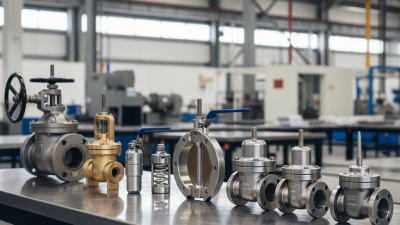
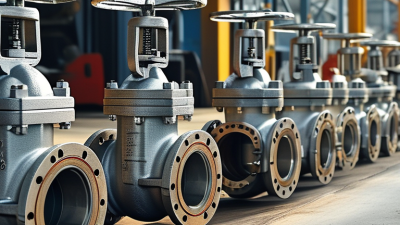
Choosing foot valves for global sourcing in 2026 requires more than comparing prices. The right selection protects pump performance, water quality, and project schedules across changing markets. A foot valve sits at the suction line’s lowest point, often beside sediment, moisture, and limited maintenance access. Its strainer must stop debris without starving the pump. Its spring, hinge, or lift mechanism must close reliably after shutdown. Small details matter. A valve with the wrong opening pressure can cause slow priming, excessive noise, or repeated pump cycling. Buyers should match size, connection type, fluid compatibility, temperature range, pressure rating, and installation depth. For clean water, stainless steel may offer useful corrosion resistance. For aggressive fluids, that choice requires specialist confirmation.
Experienced sourcing teams request drawings, material declarations, test records, sample inspections, and traceable batch information before approval. They also verify whether supplier claims match applicable technical requirements in the destination market. A factory photograph is helpful, but it is not proof of performance. Ask for measured leakage, flow, and cracking-pressure results. Compare samples under realistic suction conditions, not only on a warehouse bench. Packaging deserves attention too. Unprotected threads, loose screens, or mixed labels can create costly delays at the port or jobsite. A transparent supplier should explain tolerances, warranty limits, lead times, and corrective actions. Still, no checklist replaces field judgment. Some specifications remain unclear until the valve meets the actual pump, pipework, and water conditions. That uncertainty deserves documentation, testing, and honest review. This guide examines practical selection methods for dependable foot valves in a complex 2026 sourcing environment.
Define Foot Valve Functions, Types, and Global Sourcing Requirements
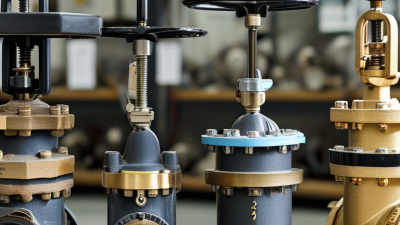
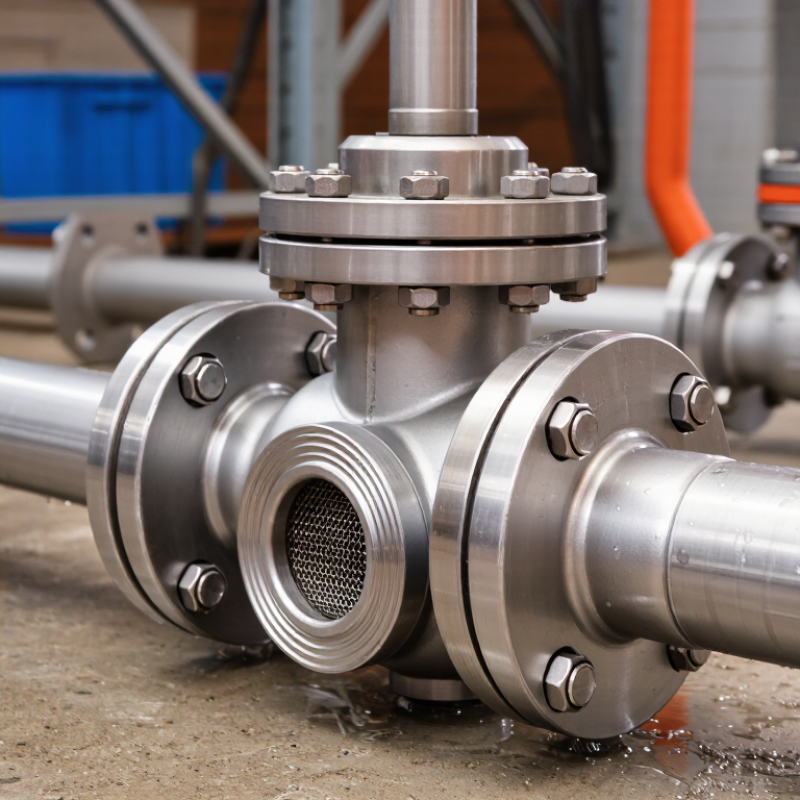
Foot valves sit at the bottom of suction pipes and keep pumps primed. Their check mechanism allows fluid upward but blocks reverse flow. A built-in screen also limits leaves, sand, and rust entering the pump. Without this protection, a pump may lose prime overnight. That small failure can stop an entire water system.
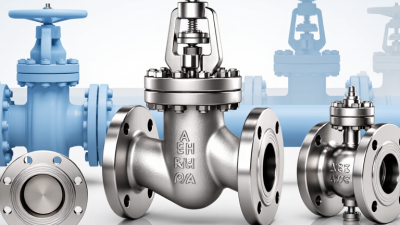
Choose the type according to the application. Spring-loaded models respond quickly and suit compact installations. Swing designs create lower flow resistance but need enough space and stable flow. Strainer foot valves combine filtration with backflow prevention. For corrosive water, verify the body, spring, seal, and screen materials separately. Do not judge durability from the body material alone. A 50-millimeter valve may still fail when its seal swells in warm chemical liquid.
Global sourcing requires precise technical and commercial documents. Specify fluid, temperature, pressure, flow rate, connection size, screen mesh, and installation depth. Request dimensional drawings, pressure-test records, material declarations, and sample inspection results. Confirm thread or flange standards before ordering. Regional naming can be confusing. “Two-inch” does not always mean the same connection.
Ask suppliers about minimum order quantities, production lead times, spare seals, packaging, and export documents. Inspect several samples, not only one polished unit. Check the hinge movement, spring return, screen welds, and leakage under pressure. A supplier may provide complete paperwork yet miss a small dimensional detail. That is why practical verification should remain part of the sourcing plan.
Evaluate Standards, Certifications, Suppliers, and Manufacturing Quality
How to Choose Foot Valves for Global Sourcing in 2026?
A foot valve is a small component with a large failure risk. Start by defining media, temperature, pressure, flow direction, and installation depth. For potable-water systems, request evidence of applicable food-contact or drinking-water compliance, such as NSF/ANSI/CAN 61 or an equivalent local requirement. EN 1074-3 may apply to valves used in water-supply systems, but scope must be checked carefully. A certificate alone is not enough.
The WHO/UNICEF JMP 2024 update reports that 2.2 billion people lacked safely managed drinking water in 2022. This makes material traceability and contamination control more than paperwork. Ask suppliers for heat numbers, elastomer declarations, pressure-test records, and inspection photos. Specify screen mesh size, body material, seat compound, and connection dimensions. ISO Survey 2023 recorded more than 1.2 million ISO 9001 certificates worldwide. Quality certification helps, yet it does not prove every valve is reliable.
Inspect the factory process, not only the showroom sample. Check casting repair limits, machining tolerances, cleaning methods, and final assembly controls. Request a batch sample with hydrostatic and backflow tests. Compare the report with your purchase specification. I have seen polished documents hide weak sampling plans. That still worries me.
Use independent inspection for the first shipment. Verify markings, quantities, packaging, and random dimensions before loading. Supplier stability also matters; review audit findings, complaint response time, and production capacity. Low price can become expensive when a stuck valve stops a remote pump. Still, some buyers over-specify every part. That wastes budget. Specification discipline is harder, but usually safer.
Compare Total Costs, Lead Times, Logistics, and Import Regulations
How to Choose Foot Valves for Global Sourcing in 2026?
Compare Total Costs, Lead Times, Logistics, and Import Regulations
Selecting a foot valve requires more than comparing quoted prices. Check valve size, body material, screen design, pressure rating, and connection standards. A low unit price can hide tooling fees, inspection costs, inland transport, and import duties. Calculate landed cost for each supplier. Include freight, insurance, customs brokerage, taxes, and possible storage charges. Request a clear quotation with identical specifications. Otherwise, the comparison becomes unreliable.
Lead time also affects cash flow and project schedules. Ask for production capacity, testing time, packaging details, and shipping frequency. Ocean freight may reduce cost but extend delivery by several weeks. Air freight is faster, but often damages the budget. Confirm the port, Incoterm, pallet dimensions, and documents before placing an order. Import checks may require accurate HS classification, country-of-origin details, material declarations, and conformity records. Requirements differ by destination. Verify them with customs professionals or official government sources.
Tips: Build a landed-cost sheet, not a price list. Obtain a sample before bulk purchasing. Test sealing performance, flow resistance, and corrosion protection under realistic conditions. My early sourcing comparisons focused too heavily on unit price. That was a mistake. A valve arriving late can cost more than a slightly expensive valve arriving reliably. Keep written records of test results, revisions, and supplier promises. Small details matter.
Verify Samples, Test Performance, and Manage Long-Term Supply Risks
Global foot-valve sourcing in 2026 should begin with evidence, not a polished catalog page. Request production samples from the same materials and tooling used for serial orders. Inspect the screen, spring, seat, and threaded connections under strong light. Small flaws matter. A loose screen can admit debris, while uneven threads may cause leaks during installation. Record dimensions, weight, elastomer type, and opening pressure for every sample.
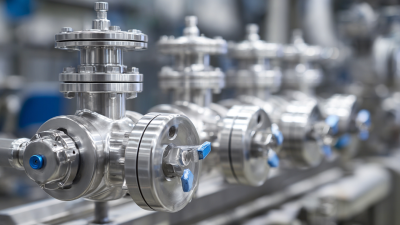
Test performance with water that matches the working environment. Measure flow at several pressures, then repeat the test after thousands of operating cycles. Check reverse leakage after the pump stops, especially when the line remains full overnight. A transparent test section can reveal delayed closing, trapped air, or unstable movement. Test records should include instruments, dates, operators, and acceptance limits. Independent verification helps when supplier data seems unusually perfect.
Long-term supply risk involves more than unit price. Ask about raw-material sources, backup machining capacity, mold ownership, and inspection records. Confirm whether replacement seals and screens will remain available during the expected service period. Review a written change-notification process before approving the supplier. Keep retained samples from each approved batch. This provides practical evidence when performance changes later. I would not treat one successful shipment as proof of stability. Transport damage, staff turnover, or a quiet material change can still expose weak controls. Build limited contingency stock, but review its storage limits and aging behavior.
How to Choose Foot Valves for Global Sourcing in 2026?
Verify samples, test performance, and manage long-term supply risks with a documented pressure-test baseline.
Reference values are calculated from commonly used EN 12266-1 test-pressure rules: shell testing at 1.5 × PN and seat testing at 1.1 × PN. For example, a PN16 sample corresponds to 24 bar shell pressure and 17.6 bar seat pressure. Confirm the applicable valve standard, pressure class, material, temperature rating, and purchaser specification before approval. Long-term sourcing should also track repeat-test results, material certificates, spare-part availability, and change-control records.